Best Online Shops for High Quality Minerals in 2026
Table of Contents
- What Separates High Quality Minerals From Ordinary Listings
- How to Buy Minerals Online Safely Without Getting Burned
- How to Recognize Reputable Mineral Dealers
- Mineral Specimens for Sale: What to Look For by Budget and Type
- High-End Mineral Specimens and One-of-a-Kind Display Pieces
- Buyer-Specific Recommendations: Matching Shops to Your Goals
- Conclusion: Choosing the Best Online Shops for High Quality Minerals
- Frequently Asked Questions
Last Updated: October 5, 2026
What Separates High Quality Minerals From Ordinary Listings
High quality minerals are specimens that arrive exactly as described, with honest disclosure of any treatment, repair, or enhancement, and photographs that show the actual piece you will receive. At IG Crystal Archive, we hand-select every specimen for its natural beauty and inspect each one before it ships, so what you see in the listing is what lands on your shelf.
That last point matters more than most buyers realize. A mineral specimen is a one-of-a-kind object, so a blurry stock photo tells you almost nothing about the piece you'll actually own.
Specimen Quality, Authenticity, and Honest Seller Disclosure
Specimen quality describes how well a mineral shows the features collectors value: sharp crystallization, strong color, good luster, and minimal damage. Authenticity means the piece is what the seller says it is, with no undisclosed dyeing, heating, or repair. Honest disclosure is the bridge between the two.
When you browse collections, look for listings that state the exact measurements, note natural inclusions and surface texture, and confirm whether a specimen is raw or polished. A seller who mentions internal veils in a clear quartz point, or natural matrix on a smoky quartz cluster, is telling you they examined the piece closely.

Price Benchmarks for Collector-Quality Specimens
Price should track size, rarity, condition, and presentation, not hype. In our own collection, entry-level display pieces start around $49.99, mid-range clusters and towers sit in the $54 to $89 range, and substantial statement specimens reach $109.99 to $139. Larger, undamaged, well-crystallized pieces cost more because they are genuinely harder to source.
| Budget | Typical Piece | What You Get |
|---|---|---|
| Under $60 | Small geode, agate tower | Compact display, strong detail |
| $60-$90 | Quartz cluster, polished tower | Mid-size, collector-ready |
| $100-$140 | Raw tourmaline, honey calcite | Large statement specimen |
How to Buy Minerals Online Safely Without Getting Burned
Buying minerals online safely comes down to verification before payment and protection after it. A reputable dealer will answer questions about locality and condition, publish clear return terms, and package specimens so they survive shipping. If a shop dodges those questions, walk away.
Verifying Provenance, Locality, and Condition
Provenance is the documented history of where a specimen came from and how it has been handled. Locality is the specific geographic origin, such as a named mine or region. Both affect value, and both should be stated plainly.
Ask the seller to confirm the specimen locality, whether the color is natural or treated, and whether any points have been repaired or reattached. A titanium aura quartz cluster, for example, is quartz that has been treated to create its iridescent rainbow sheen, and a good shop says so up front rather than letting you assume it formed that way.
Returns, Damage Claims, and Buyer Protection
A 30-day free return window is the benchmark we hold ourselves to, and it removes most of the risk from buying a specimen you have never held. Before you order, check three things:
- The shop publishes a clear return window and process
- The shop explains how to file a damage claim
- The shop ships with protective packaging and tracking
If a piece arrives cracked, photograph the box and the specimen before unwrapping further. Most damage claims fail because the buyer discards the packaging, which is the evidence the carrier needs.
How to Recognize Reputable Mineral Dealers
Reputable mineral dealers do four things consistently: they show the exact specimen, they disclose treatment and repair, they answer provenance questions, and they honor returns without a fight. Everything else is marketing. The Federal Trade Commission's guidance on online shopping and refunds is a useful baseline for what any online seller owes you when a purchase goes wrong.
Small signals separate the good shops from the rest. Look at whether the dealer photographs specimens under neutral light, lists real measurements, and writes descriptions that mention flaws. A shop that only shows glamour shots under colored lighting is hiding something.
Mineral Specimens for Sale: What to Look For by Budget and Type
Mineral specimens for sale range from a few dollars to five figures, so the smart move is to match the piece to your goal rather than your budget alone. New collectors should start with durable, well-formed pieces that display well without special lighting. Experienced collectors can chase rare localities and large, undamaged crystal groups.
Type matters as much as price. Quartz, amethyst, agate, jasper, pyrite, and calcite each behave differently in a display. Quartz and pyrite hold a polish and catch light; agate and jasper show banding and pattern; calcite reveals internal rainbows when backlit. A natural pyrite freeform, for instance, pairs a sparkling cubic druzy face with polished sides, so it reads as a sculpture from any angle.

High-End Mineral Specimens and One-of-a-Kind Display Pieces
High-end mineral specimens are the pieces collectors build a shelf around. They combine size, condition, and visual drama, and they are almost always one of a kind, which is exactly why the exact-piece photograph matters most at this price point.
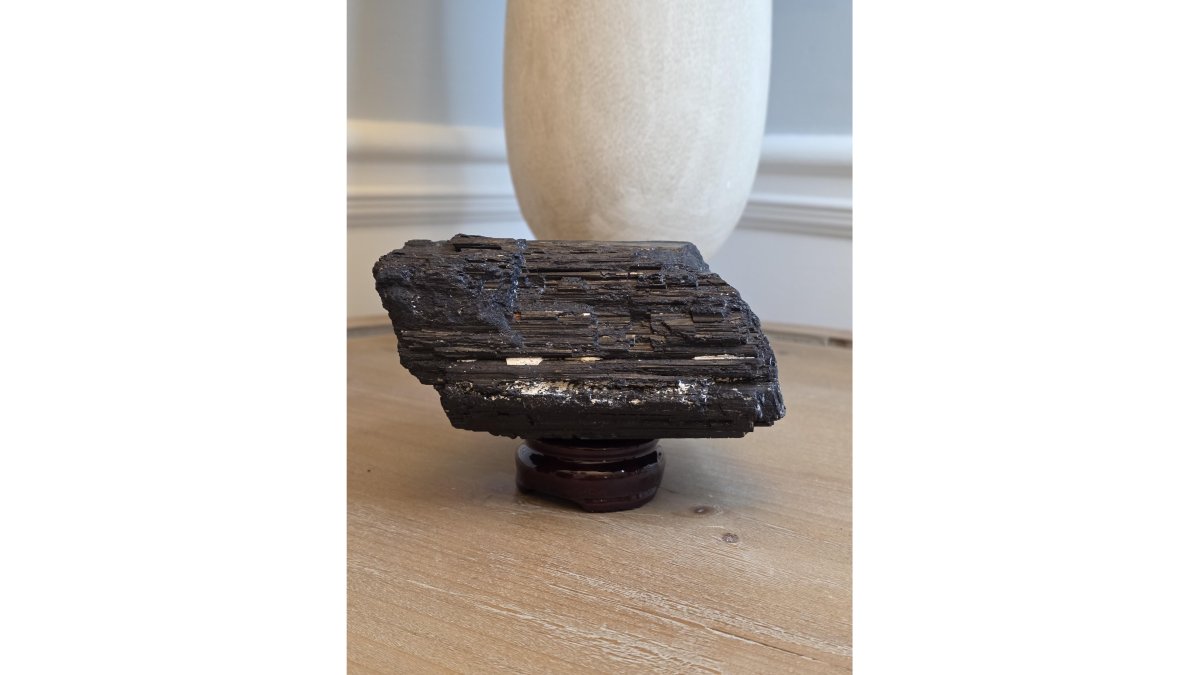
Three qualities justify a higher price: scale, undamaged crystallization, and presentation. A large raw black tourmaline chunk with vertical striations and a weighty presence is a statement piece, not a filler stone. A honey calcite specimen on a custom gold-tone stand, where turning the piece toward light reveals rainbow flashes through its cleavage planes, offers museum-style display out of the box. Neither is mass-produced, and neither can be reordered once it sells.

Buyer-Specific Recommendations: Matching Shops to Your Goals
Most "best shops" lists treat every buyer the same. They should not. A first-time buyer, a serious collector, a gift giver, and a decor shopper are looking for different things, and the shop that serves one well may be the wrong choice for another. Use the buyer profiles below to narrow your shortlist before you start browsing.
New Collectors
What you need: durable, well-formed pieces that display well without special lighting, plus a seller who will answer basic questions without condescension.
What to prioritize:
Natural Pyrite Crystal Druzy Freeform | Metallic Cubic Crystal Cluster →
- Exact-piece photography, so you know what is arriving
- Clear disclosure of any treatment or repair
- A published return window you can actually use
- Entry-level pricing so you can learn what you like before spending more
What to avoid: high-end treated statement pieces, mystery boxes, and any listing that shows a "representative photo."
Advanced Collectors
What you need: named localities, documented condition, rare species, and a dealer who understands the difference between a repaired point and a natural one.
What to prioritize:
- Locality detail down to the mine or district when possible
- Condition notes that call out repairs, reattachments, and restoration
- Provenance or collector history on higher-end pieces
- A dealer willing to hold a piece, send additional angles, or discuss a specific pocket
What to avoid: shops that treat every specimen as decor and cannot answer a locality question.
Gift Buyers
What you need: a piece that reads as meaningful and unusual, arrives safely, and does not require the recipient to own special equipment or know mineralogy.
What to prioritize:
- Display-ready pieces with stands or bases included
- Packaging that survives shipping and looks presentable on arrival
- A gift-friendly return window in case the recipient already has something similar
- Clear care instructions so the recipient knows how to handle and clean the piece
What to avoid: fragile, unpadded specimens and any shop that does not offer tracking.
Display and Decor Buyers
What you need: pieces with strong silhouettes, color that works in a room, and a scale that fits the intended shelf or table.
What to prioritize:
- Real measurements in the listing, not just "large" or "small"
- Neutral-light photography so the color you see is the color you get
- Pieces that read well from multiple angles, such as a freeform with a polished face and a natural druzy side
- Stands and bases that match the piece rather than a generic acrylic block
What to avoid: listings shot only under colored or dramatic lighting, which hides true color and surface condition.
How to Compare Two Shops Side by Side
Once you have a shortlist, score each shop on the same six criteria so the comparison is fair:
| Criterion | What to Check |
|---|---|
| Inventory focus | Specialists in one mineral type vs. general dealers |
| Price range | Entry, mid, and high-end coverage |
| Expertise | Willingness to answer locality and condition questions |
| Photography | Exact-piece vs. representative images |
| Shipping | Packaging quality, tracking, and insurance |
| Returns | Window length, condition requirements, and who pays return shipping |
A shop that scores well on expertise, photography, and returns is usually a safer bet than one that only wins on price.
Conclusion: Choosing the Best Online Shops for High Quality Minerals
The best online shops for high quality minerals earn that title the same way: exact-piece photography, honest disclosure of treatment and locality, fair pricing that tracks the specimen, and returns you can actually use. Everything else is noise.
Finding a piece you love should feel exciting, not risky. At IG Crystal Archive, we hand-select and inspect every specimen, ship it in secure professional packaging with fast, reliable delivery, and back it with 30-day free returns, all while supporting autistic adults and their families. Shop Crystals with IG Crystal Archive and bring home a one-of-a-kind piece you can trust.
Frequently Asked Questions
How can I tell if a mineral specimen is authentic?
Look for sellers who disclose any treatments, repairs, or enhancements and provide the exact piece pictured. Authentic specimens often show natural inclusions, matrix, and surface texture. Request additional photos or video under different lighting if needed. Reputable mineral dealers welcome questions about provenance and condition and will explain what natural features to expect. If a listing is vague about origin or looks too perfect, treat it as a red flag.
What should I look for when buying minerals online?
Start with high-resolution photos of the exact specimen, not stock images. Check the listed dimensions, weight, and any notes about natural fractures or repairs. Read the return policy and shipping terms before you buy. Sellers who offer 30-day returns and secure packaging reduce your risk. Also look for clear locality information and a description of the specimen's condition so you know what will arrive.
Are online mineral shops better than marketplaces?
Specialist online shops often provide more detailed provenance, better photography, and dedicated customer service than general marketplaces. Marketplaces can have lower prices but inconsistent quality and weaker buyer protection. If you want high quality minerals with clear sourcing, a curated shop that inspects each piece is usually the safer choice. Always compare return policies and seller communication before committing.
What are high-end mineral specimens worth?
Value depends on rarity, size, crystallization, color, and condition. Collector-quality pieces can range from under $100 to several thousand dollars. For example, a large raw black tourmaline chunk may sell for around $110, while a honey calcite on a custom stand can reach $139. Rare minerals with exceptional form and provenance command higher prices. Always buy from reputable mineral dealers who can justify the price with details about the specimen.
How do I choose a reputable mineral dealer?
Look for dealers who show the exact piece for sale, disclose treatments and repairs, and provide locality information. Check for clear return policies, secure packaging, and responsive communication. Reviews and repeat customers are strong signals. A dealer who answers questions about provenance and condition without pressure is more likely to be trustworthy. Start with a smaller purchase to test the experience before buying high-end mineral specimens.