Best Places to Buy Authentic Crystals Online
Table of Contents
- Why Finding Authentic Crystals Matters
- Best Places to Buy Authentic Crystals Online
- Ethically Sourced Mineral Specimens and Responsible Sourcing
- Gift Ideas for Science and Nature Lovers
- Comparing Online Retailers: What Sets Them Apart
- How to Verify Authenticity When Shopping Online
- Frequently Asked Questions
Last Updated: September 25, 2026
Why Finding Authentic Crystals Matters
The crystal market has exploded, along with authenticity problems. Buying authentic crystals means getting real geological specimens with the clarity, color, and integrity collectors deserve, not treated stones or misrepresented origins.
Finding trustworthy sources for hand-selected crystals can feel overwhelming. The right retailer curates specimens, inspects them rigorously, and stands behind their quality.
Best Places to Buy Authentic Crystals Online
Hand-Selected Specimens and Curation Standards
When a shop owner personally selects each piece, you're getting their expertise embedded in every purchase. Hand-selected curation ensures collectors receive one-of-a-kind items rather than mass-produced inventory.
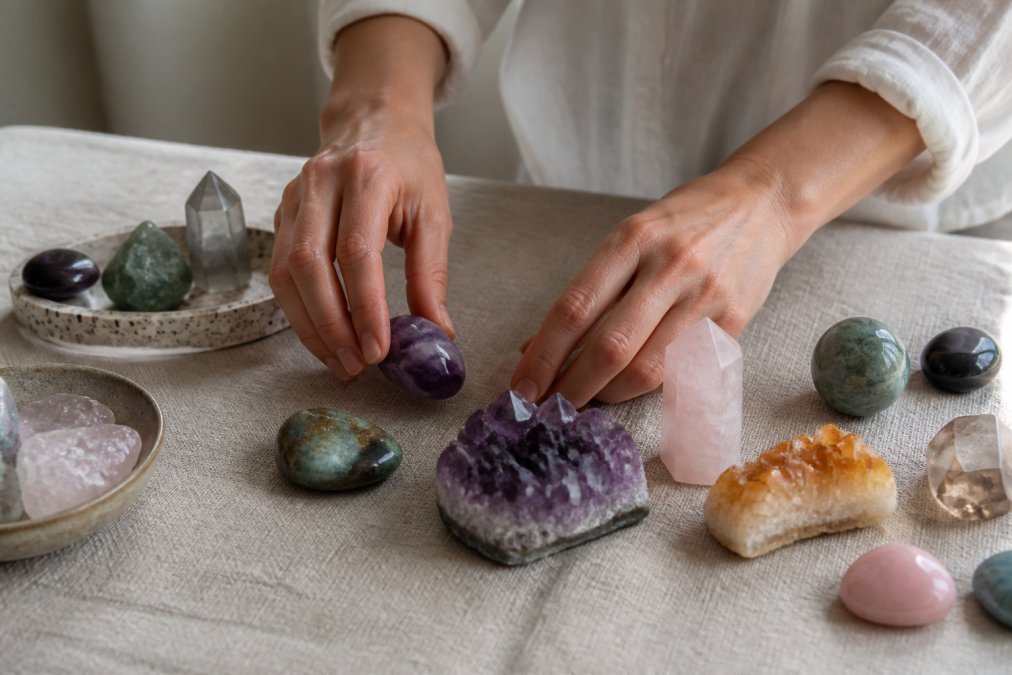
Curation standards filter out flawed or treated stones. Retailers with genuine practices inspect for natural inclusions and color consistency, document origins, and reject substandard pieces. You're paying for expertise, not inventory volume.
Quality Assurance and Inspection Practices
Professional shops examine specimens for treatment, dyes, enhancements, or damage before listing. IG Crystal Archive, LLC inspects every specimen for quality with a 30-day free returns policy backing this commitment.
Key practices include visual assessment under multiple lighting, verification of stone type and origin, and professional packaging. A retailer's willingness to accept returns signals confidence in quality.
Ethically Sourced Mineral Specimens and Responsible Sourcing
Ethical sourcing means transparency about mining impacts and commitment to minimizing harm. Retailers that prioritize it openly discuss supplier relationships, specimen origins, and certifications, showing collectors their purchases support responsible practices.
Many collectors care about supporting businesses with a social mission. IG Crystal Archive, LLC combines a passion for nature's artistry with a commitment to supporting autistic adults and their families.
Look for retailers who identify suppliers, avoid conflict-mining regions, support fair wages, and are transparent about their mission. Ethical sourcing adds meaning to your purchase.
Gift Ideas for Science and Nature Lovers
Matching specimen type to recipient interests ensures gifts resonate. A paleontology enthusiast, home décor minimalist, and curiosity collector all appreciate specimens but want different things.
Matching Specimen Types to Recipient Interests
For Paleontology and Fossil Enthusiasts
Fossil collectors want authenticity, provenance, and scientific context. Trilobites and ammonites ($20-$200) appeal to both casual and serious collectors. Fossil preparation kits ($25-$60) combine education with hands-on engagement. The most meaningful gifts include documentation of age, origin, and geological period. Verify that retailers can document origin and confirm authenticity, collectors value it.
For Naturalists and Field Biologists
Framed insect collections ($40-$150) appeal to entomologists; look for ethically sourced specimens with species identification. Bird skulls ($30-$200) require legal compliance documentation. Pressed botanical specimens ($25-$80) appeal to botanists. Prioritize retailers providing species identification and ethical sourcing documentation.
For Mineral and Crystal Collectors
Raw crystal clusters ($20-$150) appeal to collectors valuing geological authenticity; look for origin documentation. Polished stones ($25-$200) work for collectors and décor enthusiasts. Geodes and agate slices ($30-$300) appeal to collectors wanting statement pieces. Specimen sets ($50-$150) work for uncertain gift-givers. Verify treatment disclosures and origin information, authentic, untreated specimens are more valued.
For Curiosity Cabinet Collectors
Meteorites ($30-$500+) appeal through their story; retailers should provide composition, fall location, and age. Unusual fossils ($50-$300) and vintage scientific instruments ($50-$500) appeal to collectors valuing history. For these gifts, story matters as much as the object, detailed provenance and sourcing information add significant value.
Price-Point Options for Every Budget
Authentic natural history specimens exist at multiple price points. Your budget doesn't determine quality, it determines size, rarity, and presentation.
Under $30: Entry-Level and Accessible Gifts
Perfect for first-time collectors, students, or gift-givers on a budget:
Natural White Quartz Beaded Necklace →
- Crystal jewelry ($15-$28): Bracelets, pendants, and rings with genuine stones
- Small fossil specimens ($20-$28): Trilobites, ammonites, or small dinosaur teeth
- Framed insects ($20-$28): Single-specimen shadow boxes
- Crystal or mineral samples ($15-$25): Small raw clusters or polished stones
- Fossil dig kits ($20-$30): Educational kits for hands-on excavation
Retailers in this price range often use efficient sourcing and streamlined curation to keep costs low. Quality is still high, but specimens tend to be smaller or more common.
$30-$75: Mid-Range Statement Pieces
Larger crystal clusters ($35-$70), high-quality fossils ($40-$75), framed insect collections ($40-$70), and meteorite specimens ($50-$75) represent the "sweet spot" for gift-giving. Specimens are large enough to impact, retailers invest in curation and documentation, and prices remain accessible.
$75-$200: Premium Pieces
Rare mineral specimens ($100-$200), exceptional fossils ($100-$200), vintage scientific instruments ($100-$200), and custom displays ($150-$200) appeal to serious collectors. Retailers provide extensive documentation, authentication, and often appraisals or certificates.
$200+: Collector-Grade Pieces
Exceptional mineral specimens ($200-$1,000+), significant fossils ($200-$1,000+), and rare meteorites ($300-$5,000+) appeal to dedicated collectors. Authentication, provenance, and condition are paramount. Retailers provide detailed documentation and professional appraisals.
Meaningful Gifts That Support a Mission
The most resonant gifts combine beauty with purpose. When you purchase from retailers with a social mission, whether supporting artisan miners, funding conservation efforts, or supporting underrepresented communities, your gift carries additional meaning.
Consider gifting pieces that tell a story. A polished Blue Calcite bracelet featuring oversized beads in soft powder blue and blue-gray tones connects the recipient to natural geological processes and mineralogy.

Comparing Online Retailers: What Sets Them Apart
Online retailers cluster around specialized niches serving distinct collector interests and budgets. Understanding these niches helps you find exactly what you want.
Niche Specialization: Minerals vs. Taxidermy vs. Curiosities
Online retailers now cluster around specific categories of natural specimens. Understanding these niches helps you narrow your search and find retailers whose curation philosophy matches your collecting goals.
Shipping and Handling for Fragile Items
Fragile specimens require protective shipping. The difference between retailers often comes down to how seriously they invest in protective packaging infrastructure.
Tracking, Insurance, and Damage Claims
- Real-time tracking: USPS, UPS, or FedEx tracking numbers so you can monitor your package
- Signature confirmation: For high-value items ($100+), requiring a signature proves delivery and protects both parties
- Shipping insurance: Optional or included coverage for items valued above a threshold (typically $50-$100)
- Damage claim process: Clear, documented procedures for reporting damage and receiving replacements or refunds
How to Verify Authenticity When Shopping Online
Authenticity verification starts before you buy. Authentic retailers provide multiple high-quality photos of actual specimens under different lighting. They state exactly what the stone is, its origin, and any treatments applied. Vague descriptions suggest low confidence in authenticity. Trustworthy retailers explain sourcing specifically (e.g., "Brazilian quartz"). Authentic crystals are priced fairly; suspiciously cheap prices indicate treated stones or misrepresentation.
Customer Reviews and Social Proof
Return and Guarantee Policies
Frequently Asked Questions
How do I know if crystals are actually authentic and not treated or dyed?
Authentic crystal retailers prioritize transparency about sourcing and treatment. Look for sellers who inspect each specimen personally, document their curation process, and provide clear descriptions of natural variations. Reputable vendors like IG Crystal Archive hand-select pieces and note expected variations in color, pattern, and inclusions, a sign they're honest about what you're receiving. Request photos showing the specimen from multiple angles, and ask about the seller's sourcing practices if anything seems unclear.
What makes ethically sourced mineral specimens different from standard options?
Ethically sourced specimens prioritize responsible extraction, fair labor practices, and transparency about origin. Sellers committed to ethical sourcing track where each piece comes from, support communities involved in mining, and avoid specimens linked to harmful practices. Many also reinvest profits into social missions, for example, supporting autistic adults and their families. This approach ensures your purchase aligns with your values while maintaining the same quality and beauty as any other natural specimen.
What are good gift ideas for science and nature lovers who collect crystals?
Curated crystal jewelry and display specimens work well for collectors at any level. Consider pieces like hand-selected necklaces (such as the Natural White Quartz Beaded Necklace at $34.99) or statement bracelets in unique stones like Blue Calcite or Tiger's Eye ($18-$26). Gifts from mission-driven retailers add meaning, knowing your purchase supports a cause matters to conscious collectors. Pair a specimen with care instructions or a note about its geological properties to show thoughtfulness beyond the object itself.
How should I compare shipping and handling for fragile crystal items?
Check whether retailers use secure, professional packaging designed for delicate specimens. Many reputable sellers reinforce boxes, use protective padding, and offer tracking. Review their return policy, a 30-day free return window signals confidence in both product quality and shipping reliability. Ask about insurance options for high-value pieces. Fast, reliable shipping matters less than safe arrival; a slightly longer delivery time with proper protection beats rushed handling that risks damage.
Why should I choose a small, mission-driven crystal retailer over larger competitors?
Small, mission-driven retailers often provide hand-selected curation that mass-market sellers cannot match. Each piece is personally inspected for quality and aesthetic value, ensuring you receive one-of-a-kind items rather than generic inventory. Beyond quality, your purchase directly supports meaningful causes, like initiatives helping autistic adults and families. Verified customer feedback highlights the difference: collectors report receiving specimens that exceed expectations and feeling confident their money supports a business genuinely committed to both craftsmanship and community.