Ethical Crystal Alternatives to Crystabelle
Table of Contents
- What Defines Ethical Crystal Sourcing
- Best Places to Buy Authentic Crystals with Verified Sourcing
- How to Identify Ethically Sourced Minerals
- Ethical Crystal Sourcing Standards and Certifications
- Supply Chain Transparency: What Collectors Should Know
- Beyond Retail: Secondhand, Vintage, and Artisanal Mining Options
- Making Your Ethical Choice: Questions to Ask Before You Buy
- Frequently Asked Questions
Last Updated: September 24, 2026
What Defines Ethical Crystal Sourcing
Ethical crystal sourcing means obtaining minerals through practices that minimize environmental damage, respect human rights, ensure fair worker compensation, and maintain supply chain transparency, contrasting sharply with conventional mining that prioritizes profit over people and planet.
Ethical crystal alternatives demand verifiable sourcing practices, documented labor standards, and honest communication about specimen origin. When you choose ethically sourced crystals, you're voting with your wallet for responsible extraction and fair-trade principles.
Conventional mineral extraction depletes finite resources, disrupts ecosystems, and generates significant carbon footprints. Ethical sourcing reduces these harms through sustainable collection methods, smaller-scale operations, and carbon-conscious logistics.
Unregulated crystal mining often involves dangerous conditions, child labor, and subsistence wages. Ethical sourcing standards mandate safe environments, living wages, and age-appropriate employment, creating accountability where it's absent.
Supply chain transparency separates genuine ethical sourcing from greenwashing. Sellers who trace your crystal's journey from extraction through curation demonstrate real commitment; vague claims without documentation are red flags. True ethical crystal alternatives come with provenance information and clear sourcing verification.
Best Places to Buy Authentic Crystals with Verified Sourcing
Finding sellers committed to ethical practices requires looking beyond mainstream retailers. The best sources share common traits: documented sourcing practices, transparent pricing, quality control, and genuine supply chain engagement.
Specialty crystal retailers focused on ethical sourcing visit mines, meet workers, and maintain long-term partnerships ensuring consistent standards.
Direct-from-artisan options connect you with small-scale miners and collectors. Pay-to-dig mines allow collectors to source their own crystals while supporting local communities.
Secondhand and vintage crystal markets eliminate new extraction while providing unique, rare pieces with documented provenance and sustainable collecting satisfaction.
IG Crystal Archive stands apart through hand-selected curation and a mission to support autistic adults and their families, with fast shipping and a 30-day free returns policy. Our commitment to supporting autistic adults and their families adds meaningful impact to your purchase.
| Sourcing Method | Transparency Level | Best For | Typical Price Range |
|---|---|---|---|
| Ethical specialty retailers | High | Collectors seeking verified sourcing | $25-$150+ |
| Artisanal/small-scale mining | High | Supporting local communities | $20-$100 |
| Pay-to-dig experiences | Very High | Hands-on collectors | $15-$50 per visit |
| Secondhand/vintage sources | Medium-High | Sustainable collecting | $10-$200+ |
| Mass-market retailers | Low | Budget-conscious buyers | $5-$50 |
How to Identify Ethically Sourced Minerals
Identifying ethically sourced minerals starts with asking direct questions: geological origin, extraction method, and supply chain steps. Sellers committed to ethical practices provide detailed answers; those who deflect signal that documentation doesn't exist.
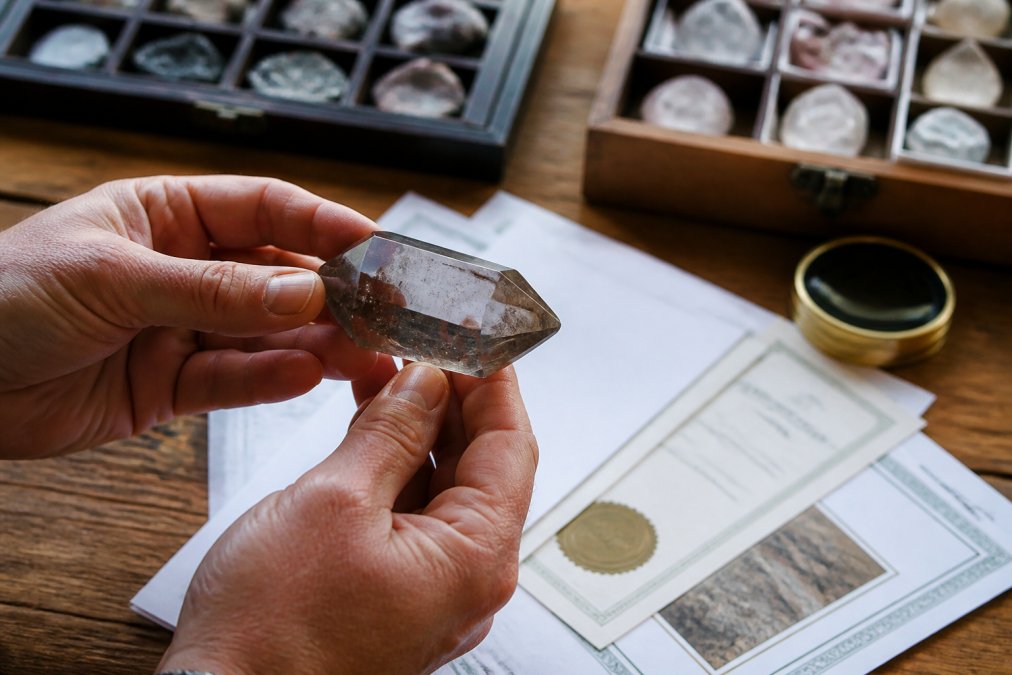
Look for third-party certifications and audits. Research what each badge means, some focus on environmental stewardship, others on labor conditions, and the best ones address both.
Lab-grown crystals eliminate mining but consume significant energy; natural specimens from ethical sources preserve authenticity while supporting responsible extraction. The ethical choice depends on your values and available documentation.
Examine the seller's willingness to discuss supply chain accountability: Can they name specific mines or regions? Do they maintain direct supplier relationships? The more transparent the chain, the more confidence you can place in their claims.
The best ethical crystal alternatives come with documented provenance showing extraction location, date, and handling steps. Digital provenance systems, including blockchain, provide immutable records strengthening consumer confidence in supply chain transparency.
Ethical Crystal Sourcing Standards and Certifications
Multiple certification frameworks exist to verify ethical crystal sourcing, but not all carry equal weight. Understanding what to look for helps you distinguish legitimate audits from marketing labels lacking enforcement mechanisms.
Fair-Trade Certifications
Fair-trade certifications ensure miners receive living wages, work safely, and have voice in labor practices. Verify that certifying organizations conduct unannounced site visits, maintain ongoing monitoring, and publish audit results publicly. Legitimate certifiers require traceability documentation showing intermediaries between extraction and sale, fewer steps mean better wage preservation.
Environmental Stewardship Certifications
Environmental stewardship certifications measure water conservation, waste management, habitat protection, and carbon footprint minimization. Ask sellers which specific metrics their certification covers and request audit documentation. Comprehensive audits addressing extraction, processing, and logistics are stronger than single-factor certifications.
Labor Rights Standards
Labor rights standards address working conditions, child labor prevention, and freedom of association through site inspections and ongoing monitoring. Red flags include certifications relying on seller self-reporting without independent verification or audits conducted less than annually. Legitimate certifications specify remediation timelines for violations.
Industry-Specific Ethical Standards
Industry-specific ethical standards guide responsible sourcing verification and supply chain transparency. When evaluating standards, check whether the certifying body is independent, publishes conflict-of-interest disclosures, and has enforcement mechanisms beyond revoking certification.
Amazonite Rose Crystal Carving | 3" →
The Certification Cost-to-Credibility Ratio
Higher-priced ethical crystal alternatives often carry legitimate certification overhead. Unusually cheap specimens claiming ethical sourcing should raise questions about verification depth. The price-to-certification ratio reveals a seller's actual commitment.
Red Flags in Certification Claims
Be skeptical of certifications lacking publicly available audit reports, using vague language without naming the certifying organization, or claiming multiple certifications without verification links. Legitimate certifiers maintain searchable databases. Watch for certifications from organizations that certify only that seller's products, independent certifiers audit multiple suppliers.
Supply Chain Transparency: What Collectors Should Know
Supply chain transparency reveals how a crystal moves from extraction to your hands. Understanding this journey and verifying it helps you evaluate whether sourcing claims hold up under scrutiny.
Understanding Supply Chain Length and Intermediaries
A direct relationship between retailer and mine eliminates middlemen markups and reduces misrepresentation. Ask sellers: "How many entities handle this specimen between extraction and sale?" Ethical retailers name each step.
Documentation Standards and What to Request
The best ethical crystal alternatives include detailed specimen cards noting geological origin, extraction method, date sourced, and any treatments applied. Before purchasing, request specific documentation:
- Extraction location: The specific mine, region, or country. "Ethically sourced" without location is meaningless.
- Extraction date: When the specimen was removed from the ground. This helps verify it wasn't mined decades ago and recently relabeled as newly sourced.
- Extraction method: Artisanal, small-scale industrial, or salvaged from existing collections. Each carries different ethical implications.
- Handler chain: Names and locations of every entity that has possessed the specimen. This creates accountability and allows you to research each handler's reputation.
- Treatment disclosure: Any dyeing, heating, coating, or enhancement applied. Untreated specimens are more valuable and authentic.
- Certifications: Which third-party audits verify the sourcing claims, with links to audit reports.
Legitimate sellers provide this documentation without hesitation. If a seller says "we don't have that level of detail" or "our suppliers don't provide that information," they're signaling that documentation doesn't exist.
Traceability Systems and Technology Verification
Modern supply chain verification uses digital records, QR codes, and blockchain technology to create immutable provenance records. These systems prevent misrepresentation by creating a permanent, tamper-proof record of a specimen's journey. When a seller mentions blockchain or digital provenance:
- Ask for the specific platform or system used (e.g., a particular blockchain network or proprietary database).
- Request a specimen ID or QR code that you can scan independently to verify the chain.
- Verify that the system is audited by an independent third party, not just the seller's internal system.
- Check whether the system records only the seller's claims or includes independent verification at each step.
Blockchain systems are most credible when multiple parties (miners, handlers, retailers) independently input data, creating a distributed record no single entity can falsify. Seller-only systems where one company controls all entries are less trustworthy.
Third-Party Audits and Site Verification
Independent organizations visiting extraction sites and reviewing documentation provide verification that seller claims aren't self-serving. Audit frequency and scope matter significantly.
- Ask whether audits are scheduled (seller can prepare) or unannounced (more revealing of actual practices).
- Request the audit report or a summary showing specific findings, not just a certification badge.
- Verify that the auditing organization is independent and not funded primarily by the sellers it audits.
- Check the audit scope, does it cover only labor conditions, or environmental impact, supply chain documentation, and worker wages as well?
Geographic Sourcing Transparency and Regulatory Context
- Does the country have enforceable minimum wage laws and child labor prohibitions?
- Are independent labor inspections conducted, or does the industry self-regulate?
- What is the region's track record on environmental enforcement?
Red Flags in Supply Chain Claims
Beyond Retail: Secondhand, Vintage, and Artisanal Mining Options
Secondhand crystal collecting eliminates new extraction while providing rare, documented specimens with established provenance.
Making Your Ethical Choice: Questions to Ask Before You Buy
Choosing ethical crystal alternatives requires more effort than grabbing the cheapest option, but the difference matters, for ecosystems, for workers, and for your own peace of mind. When you prioritize supply chain transparency, human rights, and environmental stewardship, you're supporting a more responsible mineral industry. IG Crystal Archive makes this choice easier through hand-selected curation, documented sourcing, and a mission to support autistic adults and their families.
Frequently Asked Questions
What defines an ethically sourced crystal?
An ethically sourced crystal comes from suppliers who prioritize fair labor practices, environmental stewardship, and supply chain transparency. This means miners are paid fairly, working conditions meet safety standards, environmental impact is minimized, and the stone's provenance can be traced. Ethical sourcing also avoids conflict minerals and supports responsible extraction methods rather than exploitative operations.
How can I verify the authenticity of ethical crystal shops?
Look for retailers who provide detailed sourcing information, including where crystals originate and how they were extracted. Authentic ethical sellers answer questions about their supply chain, display certifications when available, offer transparent return policies, and explain their curation process. Small family businesses that personally select specimens often demonstrate accountability. Request documentation of origin before purchasing.
Are there certifications for ethical mineral mining?
Several frameworks guide ethical mineral sourcing, including the Responsible Minerals Initiative (RMI), which tracks conflict-free sourcing, and various fair-trade certifications for artisanal mining operations. While no single universal crystal certification exists, reputable sellers reference compliance with these standards or third-party auditing. Ask retailers which standards they follow and request proof of ethical auditing or supply chain accountability.
Why does ethical sourcing impact the price of crystals?
Ethical sourcing costs more because fair wages, safe working conditions, environmental compliance, and supply chain verification all require investment. Retailers who prioritize ethical standards spend time vetting suppliers, conducting audits, and maintaining transparent records. This transparency and accountability directly translate to higher prices compared to retailers with opaque sourcing practices.