Are Expensive Crystals Worth the Price in 2026
Table of Contents
- What Makes Expensive Crystals Cost More
- Factors Affecting Crystal Price
- How to Value Mineral Specimens
- Natural vs. Lab-Grown and Synthetic Crystals
- The Real Resale Value of Expensive Crystals
- How to Start a Mineral Collection Wisely
- Ethical Sourcing and Price Premiums
- Frequently Asked Questions
Last Updated: September 19, 2026
What Makes Expensive Crystals Cost More
The price tag on a crystal specimen tells a story. It's not arbitrary. When you're looking at expensive crystals worth the investment, you're paying for a combination of factors that most people overlook at first glance.

At IG Crystal Archive, LLC, we've spent years hand-selecting specimens for our collection, and the pricing reflects genuine scarcity, quality, and craftsmanship. A $50 piece and a $500 piece aren't separated by marketing alone. The difference lies in rarity, mineralogical properties, and the effort required to extract, prepare, and present the specimen properly.
The core drivers are straightforward: how rare the mineral is, how vivid its color appears, how clear the crystal structure remains, and whether the piece has any historical significance or documented provenance. A flawless amethyst geode the size of your fist costs more than a cloudy one half that size because clarity and intensity matter. A specimen with known origin, say, from a closed mine that no longer produces, commands a premium because future supply is limited.
Cut and polish work also factor heavily into the final price. A rough crystal pulled from the earth is one thing. A polished sphere or tower that reveals the stone's true color and light-catching properties requires skilled labor. That craftsmanship has real cost.
Factors Affecting Crystal Price
Several interconnected variables determine what you'll pay for a mineral specimen. Understanding these helps you evaluate whether a price is justified or inflated.
Rarity and Supply
Rarity is the foundation of mineral pricing. If a crystal species is abundant and easy to source, it will be affordable. If it comes from a single closed mine or a region with restricted mining, the price rises sharply.
Consider the difference between common quartz and rare tanzanite. Quartz appears everywhere, in mountains, riverbeds, and geological formations across the globe. Tanzanite exists in meaningful quantities in only one place on Earth: Tanzania. That geographic concentration alone justifies a higher price per carat. When a mine closes or becomes inaccessible, prices for specimens from that location often increase because no new material enters the market.
Supply constraints create genuine scarcity. A specimen labeled as being from a closed mine carries premium pricing because collectors know no additional pieces will ever be found from that exact source. This scarcity drives demand among serious collectors who understand that expensive crystals worth acquiring are often those with limited future availability.
Color Intensity and Clarity
The visual appeal of a crystal, how vivid its color is and how free from inclusions it appears, directly impacts price. A deep, saturated blue in a lapis lazuli specimen costs more than a pale, washed-out version of the same mineral.
Clarity refers to the absence of cloudiness, cracks, or internal fractures. A transparent specimen allows light to pass through cleanly, revealing the true color and internal structure. Opaque or cloudy specimens, by contrast, appear dull and less visually striking. Collectors prioritize clarity because it determines how the piece displays in a room or collection.
Color saturation matters equally. A vivid, intense hue commands higher prices than a muted version. This is why deep emerald greens cost more than pale greens in the same mineral species. The intensity reflects how well the crystal's natural coloring developed during formation, and it's a reliable indicator of quality.
Cut, Polish, and Craftsmanship
Raw crystals pulled from the earth are rough. Transforming a raw specimen into a polished sphere, tower, or display piece requires skill and time. The quality of that work affects both the visual appeal and the final price.
A poorly polished piece may have scratches, uneven surfaces, or areas where the natural color doesn't shine through. A well-executed polish reveals the mineral's true character. The craftsperson must understand the crystal's hardness, internal structure, and optical properties to avoid damaging it during the process.
This is why hand-selected specimens from curated sources often cost more than mass-produced alternatives. The curation process itself, examining dozens of pieces to select only the finest, adds labor cost. At IG Crystal Archive, LLC, each piece is personally chosen for its exceptional quality and natural beauty. That careful selection process is reflected in the pricing, but it ensures you're receiving a genuinely premium specimen rather than whatever happens to be available.
How to Value Mineral Specimens
Knowing how to assess a crystal's worth protects you from overpaying and helps you recognize genuine value when you encounter it.
Gemological Assessment and Certification
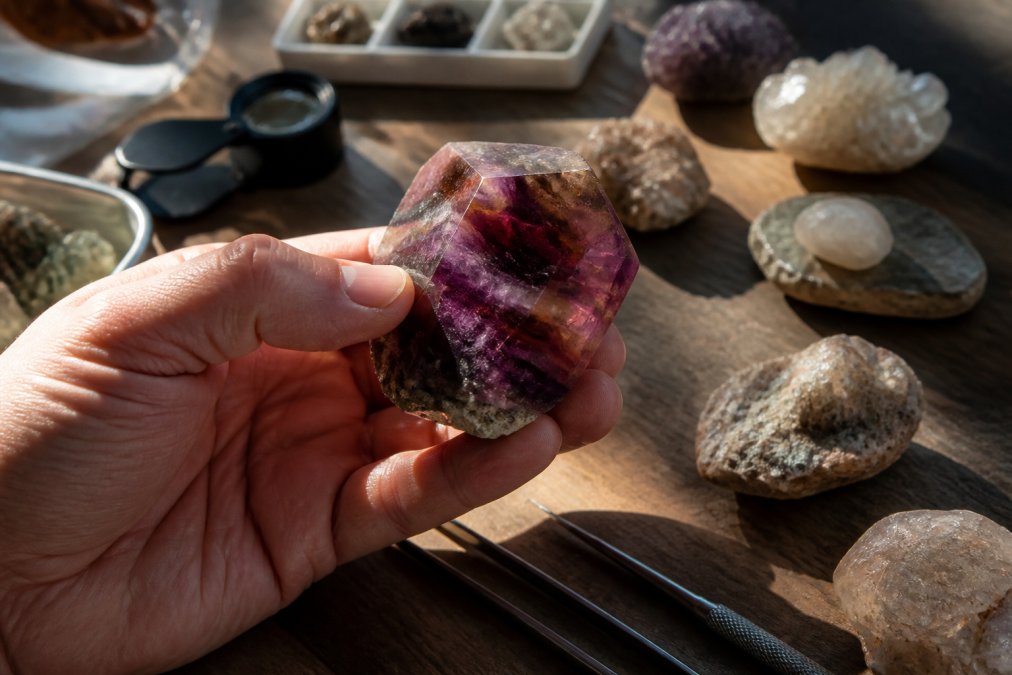
Professional gemologists use standardized criteria to evaluate crystals and minerals (gia.edu). These assessments examine color grade, clarity grade, carat weight, and cut quality. While formal certification is most common for gemstones used in jewelry, the same principles apply to collector specimens.
A certified piece comes with documentation stating its mineral composition, origin (if known), and any treatments applied. This documentation adds credibility and often increases value because buyers know exactly what they're purchasing. Certification removes guesswork and protects against misrepresentation.
Chrysocolla Sphere | Deep Blue Matrix →
When evaluating a specimen without formal certification, look for transparency from the seller. Can they explain where the piece came from? Do they describe any treatments, such as heat treatment or dyeing? Honest sellers provide this information upfront. At IG Crystal Archive, LLC, we're transparent about the origins and condition of each specimen, which builds confidence that you're making an informed purchase.
Provenance and Historical Demand
Provenance, the documented history of where a specimen came from, significantly influences value. A crystal with a clear record of origin, especially from a notable or closed mine, carries more weight than an identical piece with unknown provenance.
Collectors value provenance because it tells a story and often indicates scarcity. A specimen with known origin carries different appeal than one from a generic "unspecified location." Documented provenance also protects against fraud. If a seller claims a piece is from a specific, historically significant source, that claim should be verifiable.
Historical demand also plays a role. Some minerals have been sought after for centuries. Others have gained popularity only recently as collectors' tastes shift. A mineral that's been consistently desired tends to hold its value better than one that's trendy today but may fall out of favor.
Natural vs. Lab-Grown and Synthetic Crystals
The mineral market has shifted dramatically with the rise of lab-grown and synthetic alternatives. Understanding the differences helps you decide what type of specimen fits your budget and values.
Natural crystals form over geological timescales, millions of years, deep within the Earth under specific temperature and pressure conditions. Lab-grown crystals are created in controlled environments over weeks or months, replicating the natural formation process artificially. Synthetic crystals are manufactured entirely in laboratories using chemical processes that don't occur in nature.
The key distinction for pricing: lab-grown crystals are chemically identical to natural ones but cost significantly less because production is faster and more controlled. Synthetic crystals may look similar but have different chemical compositions or crystal structures.
For collectors, the choice depends on personal values. Some prioritize the geological history and rarity of natural specimens. Others appreciate the affordability and ethical clarity of lab-grown alternatives. There's no universal "right" answer, it's a personal preference that affects what expensive crystals worth buying means to you.
Lab-grown and synthetic options have democratized crystal collecting.
The Real Resale Value of Expensive Crystals
This is where many collectors get disappointed. Expensive crystals worth purchasing for personal enjoyment may not hold their value well in the resale market.
How to Start a Mineral Collection Wisely
Building a collection that brings genuine joy requires a different approach than impulse buying.
Ethical Sourcing and Price Premiums
Ethical sourcing has become increasingly important to conscious consumers. Crystals sourced responsibly command higher prices, but many buyers consider that premium justified.
| Valuation Factor | What It Means | Impact on Price |
|---|---|---|
| Rarity and supply | How scarce the mineral is globally | High impact; closed-mine specimens cost significantly more |
| Color intensity | Vividness and saturation of the stone's hue | High impact; vivid colors command premium pricing |
| Clarity | Absence of cloudiness, cracks, or inclusions | High impact; clear specimens are visually superior |
| Cut and polish quality | Skill and care applied to finishing the piece | Moderate impact; poor finishing reduces appeal |
| Provenance | Documented origin and history | Moderate impact; known sources add credibility |
| Size and weight | Physical dimensions of the specimen | Moderate impact; larger pieces cost more, but quality matters more |
| Lab-grown vs. natural | Whether the crystal formed naturally or artificially | High impact |
| Certification | Third-party assessment and documentation | Moderate impact; certification adds confidence and value |
Frequently Asked Questions
What type of crystals are actually worth the higher price?
Premium-priced crystals typically combine rarity, vivid color, high clarity, and superior craftsmanship. Natural specimens with intense saturation, minimal inclusions, and expert polishing command higher prices than mass-produced alternatives. Hand-selected pieces from reputable collectors, like those at IG Crystal Archive, cost more because each specimen is individually evaluated for quality and aesthetic appeal rather than sold as generic bulk inventory.
How do I determine the market value of a mineral specimen?
Market value depends on rarity, size, color intensity, clarity grade, and provenance. Check recent sales of comparable specimens through gemological databases and collector forums. Certification from recognized gemological assessment bodies adds credibility and resale potential. Consider whether it's synthetic or natural, and current market demand for that mineral type. Ethical sourcing also affects price, responsibly sourced stones often command premiums from conscious collectors.
Are expensive crystals a good investment compared to cheaper ones?
Expensive crystals can appreciate if they're rare, well-documented, and maintain strong market demand. Investment potential depends on the specific mineral, not just the price tag. Lab-grown and synthetic stones depreciate faster than natural specimens. For most collectors, expensive crystals are better valued as meaningful personal purchases or decor investments rather than financial assets. Buying from mission-driven collectors who hand-select each piece adds intangible value that justifies premium pricing.
What's the difference between expensive natural crystals and lab-grown ones?
Natural crystals form over millions of years and are finite in supply, making rarity a core pricing factor. Lab-grown crystals are chemically identical but created in weeks. Synthetic stones often have perfect clarity but lack the character and provenance of natural specimens. Many collectors prefer natural stones for their geological history and scarcity. However, lab-grown options offer affordability for beginners starting a mineral collection without the premium cost.