Rare Mineral Specimens for Sale: 2026 Collector's Guide
Table of Contents
- Rare Mineral Specimens for Sale: What Collectors Need to Know
- Best Places to Buy Authentic Crystals and Mineral Specimens
- How to Identify Authentic Mineral Specimens Before You Buy
- A Practical Mineral Specimen Buying Guide: Grading, Condition, and Price
- Museum Quality Minerals for Sale: What Sets Them Apart
- Rare Mineral Specimens for Sale by Budget and Experience Level
- Shipping, Insurance, Returns, and Safe Handling for Rare Specimens
- Conclusion: Building a Collection That Lasts
- Frequently Asked Questions
Last Updated: October 14, 2026
Rare Mineral Specimens for Sale: What Collectors Need to Know
The market for rare mineral specimens for sale rewards buyers who read a specimen before they read a price tag. At IG Crystal Archive, we hand-select every piece, rejecting far more than we list.
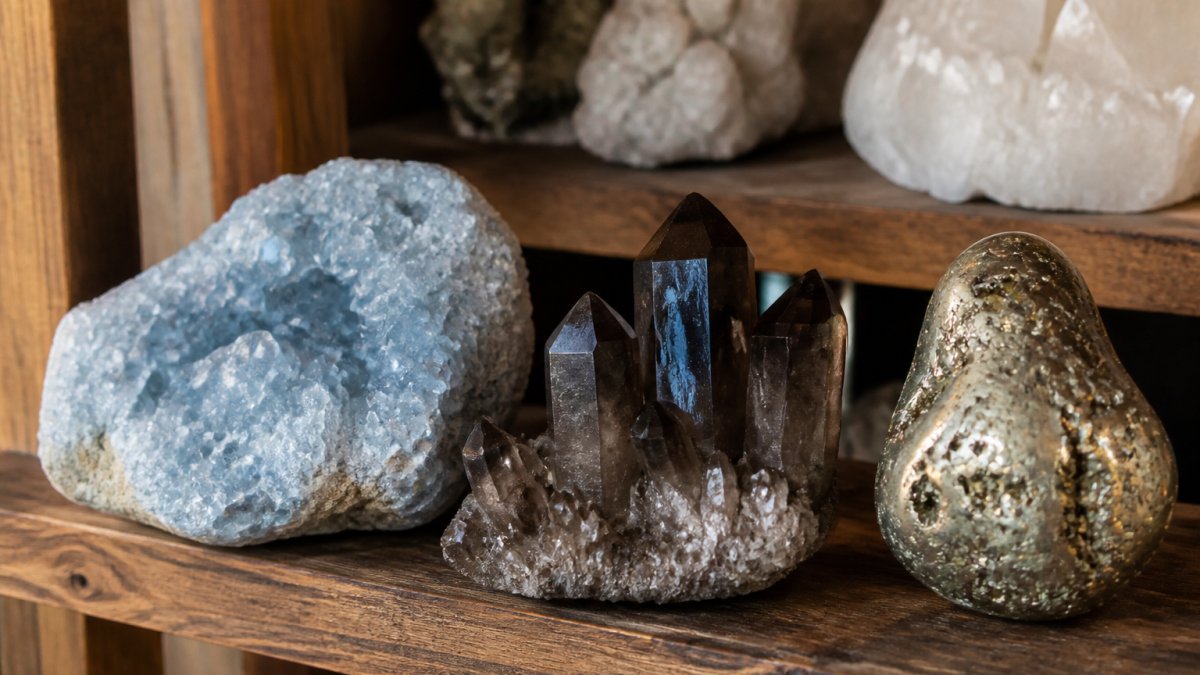
Rare mineral specimens are naturally formed pieces valued for species scarcity, crystal quality, and locality. Unlike polished stones, the natural formation stays intact. Collectors organize by mineral type, locality, or species rarity, and each approach shapes what you look for.
Three things separate a good purchase from a regret:
- Species and locality: uncommon minerals from documented sources hold value better than common quartz with a dramatic story.
- Condition: undamaged, crystallized surfaces matter more than size.
- Provenance: identified specimens with specimen labels and a traceable mineral dealer are easier to trust and resell.
Best Places to Buy Authentic Crystals and Mineral Specimens
The best places to buy authentic crystals are specialist mineral dealers who photograph the exact piece, disclose treatments, and stand behind returns.
Here is how the main channels compare:
| Channel | Authenticity Risk | Return Protection | Best For |
|---|---|---|---|
| Specialist mineral dealers | Low | Usually clear policy | Collector-grade pieces |
| General marketplaces | High | Inconsistent | Budget curiosities |
| Auction houses | Low to medium | Limited window | Established collectors |
| Estate and estate-adjacent sales | Medium | Often none | Patient hunters |
Specialist dealers win because they handle each piece.
"Authentic" is three questions: is the mineral what the label says, is the color natural, and has the piece been repaired or assembled? A dealer who answers all three unprompted is worth paying more for.
How to Identify Authentic Mineral Specimens Before You Buy
Authenticity checks are simple once you know what to look for. Natural crystal faces grow in repeating geometry; dyed or coated material shows color pooling in cracks and cavities.
Run through this checklist before any purchase:
- Ask for the exact piece pictured, not a stock photo
- Request close-up photos of crystal terminations and edges
- Confirm whether the specimen is natural, treated, or assembled
- Check for glue lines or unnatural seams on matrix
- Ask for locality and any supplier documentation
- Confirm the return window in writing
Treatments are not automatically dishonest. Titanium aura quartz is quartz coated to create iridescence, and we label it as treated because buyers deserve to know.
For identification standards and mineral naming conventions, the International Mineralogical Association's species list is the reference professional dealers use.
A Practical Mineral Specimen Buying Guide: Grading, Condition, and Price
A mineral specimen buying guide is only useful if it explains what drives price and how to compare two listings on the same scale.

Four factors do most of the work: species rarity, specimen quality, condition, and documentation.
Species rarity sets the floor. Common species like quartz, calcite, and pyrite appear everywhere, so supply anchors their prices low.
Specimen quality covers how the piece reads. Color saturation, crystal size, luster, and display against the matrix all matter.
Condition is where beginners lose money. A chipped termination, repaired cluster, or reattached crystal can cut value substantially, and photos rarely show it.
A working condition scale you can apply to any listing
Most practitioners grade on a simple four-tier scale, unofficial, but consistent enough to compare listings:
- Museum grade: Sharp, complete crystals, no chips, no restoration, stable matrix, documented locality. Size is secondary.
- Collector grade: Minor imperfections that do not distract, strong color and luster, displayable as-is.
- Display grade: Visually appealing but with visible damage, repair, or a weak matrix that needs support.
- Study grade: Bought for species or locality reference rather than display; damage expected.
Grade both listings on the same scale before comparing price. A collector-grade specimen and a cheaper display-grade specimen are not the same purchase, even if the thumbnails look similar.
How to spot repairs, restoration, and assembly
Repair and restoration are common and not automatically dishonest; the problem is undisclosed work. A few checks catch most of it:
- Look for glue lines or unnatural seams where a crystal meets its matrix.
- Check whether crystal orientations make geological sense; a cluster that looks too perfectly arranged may have been assembled.
- Ask whether the piece has been stabilized, and with what.
- Request a photo of the underside or back of the specimen, where repairs are hardest to hide.
- Ask for the return window in writing before you buy.
What actually moves price
Price is the sum of the four factors plus demand for the species and locality. A few patterns hold:
- A small, perfect crystal usually beats a large damaged one at the same price.
- Documented locality can add a meaningful premium for species collectors, because locality is part of what they collect.
- Repaired pieces typically sell at a discount to comparable unrepaired pieces, and the discount widens as the repair becomes more visible.
- Common species rarely appreciate on rarity alone; their value tracks condition and aesthetics.
Our own collection reflects this. The Natural Epidote Crystal Cluster at $40.00 is an accessible entry into a less common species, with dark green prismatic crystals in a golden-brown matrix. The Natural Malachite Botryoidal Mineral Specimen at $159.00 is a highly textured display piece with rounded botryoidal formations and a black stand included.

A $40 epidote cluster and a $159 malachite compete not on size but on species, texture, and how each reads on a shelf. Grade both on the same scale, check condition and documentation, and the price difference makes sense.
Museum Quality Minerals for Sale: What Sets Them Apart
Museum-quality minerals are defined by three traits: undamaged crystallized formations, exceptional color or luster, and documented locality. Size is secondary. A small, perfect crystal beats a large damaged one nearly every time.
Natural Pyrite Crystal Druzy Freeform | Metallic Cubic Crystal Cluster →
What separates collector-grade from museum-quality is restraint: clean crystal faces, minimal matrix damage, no restoration. Many museum pieces also carry specimen labels tracing them to a known find, the piece's history, and often the difference between a specimen a curator will consider and one they will not.
A few markers to check:
- Crystals are sharp, complete, and free of chips
- Color is even and natural, not patchy from dye
- Matrix is stable and does not shed
- The piece stands or displays without propping
- Documentation names the locality and, where possible, the find
The documentation test
Most sellers use "museum quality" loosely, and a term that applies to everything means nothing. The fastest way to separate marketing from substance is to ask for documentation.
A specimen with real provenance carries a label or paper trail naming the species, locality, and the dealer or collection it passed through; labels from multiple prior owners are part of the value.
For context on how natural specimens are classified and conserved, the Smithsonian National Museum of Natural History mineral collection maintains one of the reference collections in the field.
How to compare a "museum quality" listing to a collector-grade one
Put the two side by side and run the same five checks: crystal completeness, color and luster, matrix stability, displayability, and documentation. A museum-grade piece should pass all five without caveats; a collector-grade piece may pass four with one minor flaw. If a museum-quality listing fails two or more, the description is doing work the specimen is not.
Rare Mineral Specimens for Sale by Budget and Experience Level
Budget should match experience, not ambition. New collectors who spend heavily on their first purchase often end up with pieces they cannot evaluate or display well.
| Budget | Experience Level | What to Target | Example Species |
|---|---|---|---|
| Under $60 | New collector | One strong display piece | Celestite, epidote |
| $60-$110 | Building a collection | Species variety, larger clusters | Smoky quartz, pyrite, tourmaline |
| $110-$170 | Serious collector | Rare species, statement pieces | Malachite, large raw pieces |
For a first purchase, the Natural Blue Celestite Crystal Cluster on Silver Stand at $54.99 arrives ready to display, with icy-blue crystals and the stand included. If you want a piece with more visual weight, the Large Raw Black Tourmaline Chunk at $109.99 offers natural vertical striations and a substantial presence.

Experienced collectors tend to move toward species rarity and locality. The Natural Pietersite Sphere at $49.99 delivers painterly gold, blue, and charcoal banding in a polished 55mm sphere, a species you will not find in most mineral stores.
Shipping, Insurance, Returns, and Safe Handling for Rare Specimens
Shipping is where good specimens get ruined. Crystals are brittle, matrix can crumble, and a poorly packed box turns a $159 display piece into gravel.
What we do, and what you should expect from any seller:
- Secure, professional packaging with cushioning around every exposed crystal
- Individual wrapping so pieces never contact each other
- Tracking on every shipment
- A clear return window, ours is 30 days free
Insurance matters for higher-value pieces. If a specimen is worth several hundred dollars, confirm the shipment is covered before it leaves the seller.
For consumer protection guidance on online purchases and returns, the Federal Trade Commission's online shopping guidance explains your rights when an item arrives damaged or not as described.
Ethical sourcing matters too. Ask dealers where specimens originate and whether suppliers follow responsible collecting practices; a short answer is often a vague one.
Conclusion: Building a Collection That Lasts
Every collector eventually faces the same problem: too many impulse buys, too few pieces worth displaying.
That is how we built IG Crystal Archive. Every piece is hand-selected and inspected for quality, shipped in secure professional packaging, and covered by 30-day free returns.
Ready to add something worth keeping? Shop Crystals and find the piece that earns its place in your collection.
Frequently Asked Questions
What should I check before buying a rare mineral specimen online?
Ask for the exact piece pictured, not a stock photo. Look for clear measurements, condition notes, and whether the mineral identification is based on appearance or lab verification. Reputable sellers like IG Crystal Archive photograph the actual specimen you receive. Check the return policy too. A 30-day free return window gives you time to inspect the piece in person and confirm it matches your expectations.
How can you tell if a mineral specimen is authentic and not treated or dyed?
Examine the color distribution. Natural specimens show uneven color saturation, while dyed pieces often have concentrated color in cracks and cavities. Ask the seller directly about treatments. Titanium aura quartz, for example, is a treated specimen and honest sellers state that clearly. For pieces like malachite or epidote, request close-up photos of crystal formations. Natural growth patterns are irregular and cannot be replicated in a dyed or synthetic piece.
What are some unique mineral specimens I can find for sale?
Beyond common amethyst and quartz, collectors can find rare species like epidote on matrix, botryoidal malachite, pietersite spheres, and celestite geodes. Each offers distinct crystal formations and colors. IG Crystal Archive carries hand-selected pieces including a dark green epidote cluster at $40 and a one-of-a-kind malachite display specimen at $159. Availability changes because each piece is unique.
How do I choose a rare mineral specimen within my budget?
Start with a clear spending range. Under $100, you can find quality celestite clusters, epidote specimens, smoky quartz, and pyrite freeforms. Between $100 and $200, collector-grade pieces like large black tourmaline or malachite become available. Focus on condition and visual appeal rather than size alone. A well-formed small specimen often holds more value than a large damaged one.
Where can collectors buy rare mineral specimens online?
Specialist mineral dealers and curated online shops are the best sources. Look for sellers who photograph the exact specimen, provide detailed measurements, and offer returns. IG Crystal Archive is a small family business that hand-selects each piece and supports autistic adults and their families. Every listing shows the exact specimen you receive, and the shop offers fast shipping with a 30-day free return policy.